
Aviation Meteorology
About the Course
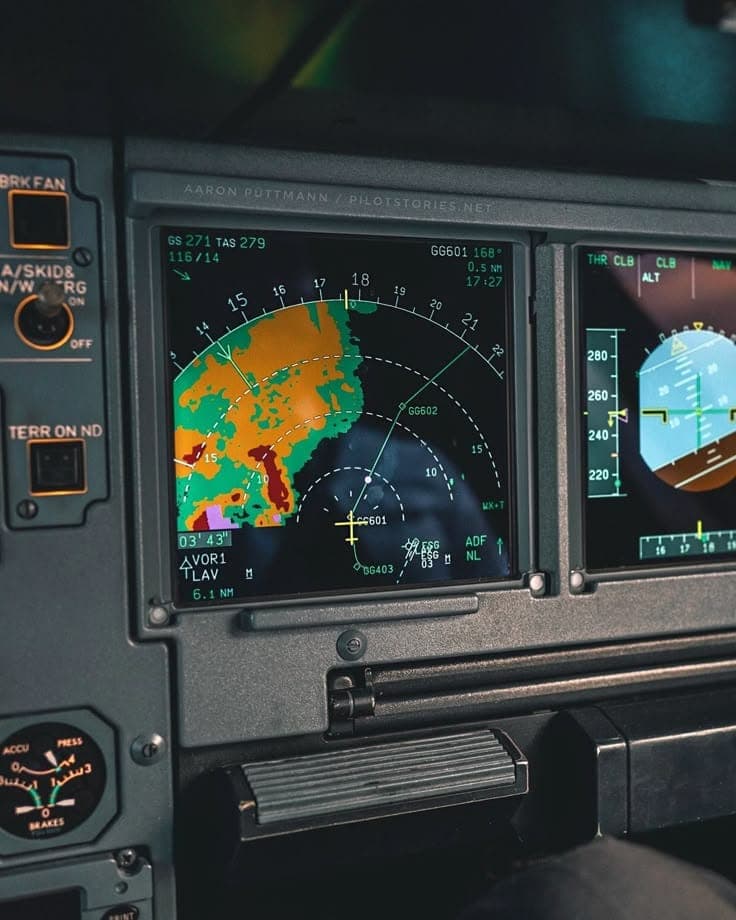
Aviation Meteorology explains how weather develops and how it affects a flight. The subject covers the atmosphere, wind, clouds, pressure systems and the conditions that pilots need to recognise when planning and operating an aircraft.
At IFA, we teach these topics alongside the weather information used in aviation. Students learn how atmospheric processes relate to the conditions shown in charts, reports and forecasts. Understanding pressure and wind, for example, helps make sense of a weather chart; understanding moisture and temperature helps explain cloud and fog formation.
The course follows the DGCA CPL Aviation Meteorology syllabus. It is suitable for students studying the subject for the first time and those revising before another examination attempt. Lessons, chapter tests and doubt-solving sessions help students work through the syllabus and address difficulties as they arise.
What the Course Covers
The course follows Appendix B of DGCA CAR Section 7, Series B, Part IV, which prescribes the Aviation Meteorology syllabus for CPL aeroplanes.
1. The Atmosphere
Composition, extent and vertical division
Temperature
Atmospheric pressure
Atmospheric density
International Standard Atmosphere
Altimetry
2. Wind
Definition and measurement
Primary cause of wind
General circulation
Turbulence
Variation of wind with height
Local winds
Standing waves
3. Thermodynamics
Humidity
Water vapour in the atmosphere
Temperature, dew point, mixing ratio and relative humidity
4. Clouds and Fog
Cloud formation and description
Cloud types and classification
Influence of inversions on cloud development
Fog, mist and haze
5. Precipitation
Development and types of precipitation
Relationship between precipitation and cloud types
6. Airmasses and Fronts
Types, properties and classification of airmasses
Modification of airmasses
Fronts and associated weather
Movement of fronts and pressure systems
7. Pressure Systems
Principal pressure areas
Anticyclones
Non-frontal depressions
Tropical revolving storms
8. Climatology
Typical weather situations in mid-latitudes
Local seasonal weather and wind
Monsoon and pre-monsoon weather
Northwesters, Kalbaisakhi and Western Disturbances
9. Flight Hazards
Icing
Turbulence
Windshear
Thunderstorms
Low- and high-level inversions
Hazards in mountainous areas
Visibility-reducing phenomena
10. Meteorological Information
Ground and aircraft observations
Significant weather, surface and upper-air charts
Symbols and signs on analysed and prognostic charts
Aviation meteorological codes and broadcasts
Weather information for flight planning
Pre-flight meteorological documents
Meteorological briefing, advice and warnings
View the detailed DGCA syllabus — Appendix B, reproduced document
Examination Format
Examination: DGCA CPL Aviation Meteorology
Question type: Multiple-choice questions
Assessment: Theoretical knowledge and interpretation of meteorological information
Minimum passing score: 70%
Preparation involves understanding weather processes and recognising how they relate to aviation. Students also study the terminology, codes and chart information included in the syllabus. IFA’s chapter tests and mock tests help assess understanding across these areas.
DGCA examination criteria — paragraphs 5.4–5.6, reproduced document
What IFA Offers
Online and offline classes
Class notes for study and revision
A test after every chapter
Mock tests
Doubt-solving sessions
One-to-one mentoring
Students can use doubt-solving sessions to revisit weather processes, chart interpretation and unfamiliar terminology. One-to-one mentoring helps identify topics that need further study and gives students an opportunity to discuss their preparation.
Batch & Course Details
Next batch: To be announced
Course duration: Contact IFA for details
Learning mode: Online and offline
Class days and timings: Available on enquiry
Course fee: Available on enquiry
Classroom location: Sector 7 Dwarka, New Delhi.
Contact IFA
For batch availability, timings and fees:
Call: +91 7579904444 / +91 9560218888
WhatsApp: Message IFA
Email: info@flyifa.com
Address: 2nd Floor, Dev Plaza, Ramphal Chowk Road, Sector 7 Dwarka, New Delhi – 110077.
Frequently Asked Questions
QAre synoptic charts included in the course?
Yes. The course covers surface, upper-air and significant weather charts, including the symbols used on analysed and prognostic charts.
QDoes the course cover aviation weather reports and forecasts?
Yes. Meteorological Information includes aviation weather codes, broadcasts and the information used during flight planning.
QDo I need to have studied meteorology before joining?
No. Students can begin the course without previous meteorology study.
QCan I join for revision before another attempt?
Yes. Students returning to the subject can use the classes, tests and mentoring to revisit the syllabus and address gaps in their understanding.
Ready to Take Flight?
Take the first step towards your aviation career. Join Aviation Meteorology today and let your dreams take off.
Enroll Now